Expertise
Regie or lump sum: which contract fits which job
Regie means you pay for the hours and materials actually used, at agreed rates. A lump sum means one fixed price for a defined scope. Choose a lump sum when drawings and quantities are clear, and regie when the scope is still open. Many jobs work best as a mix of both.
4 min read

On this page
What each contract actually means
In a regie contract (time and material), the contractor records hours and materials and invoices them at rates agreed in advance. The final cost depends on how much work the job turns out to need.
In a lump sum contract (forfait), the contractor quotes one fixed price for a described scope. The price stays the same if the work takes longer than planned, as long as the scope has not changed. The risk of the estimate sits with the contractor.
Neither model is better in general. They distribute risk differently. With regie the client carries the risk of the quantity of work. With a lump sum the contractor carries it, and prices that risk into the quote. The right choice depends on how much is known on the day you sign.
Both models can be used by the same client on the same project, for different parts of the work.
When regie is the right choice
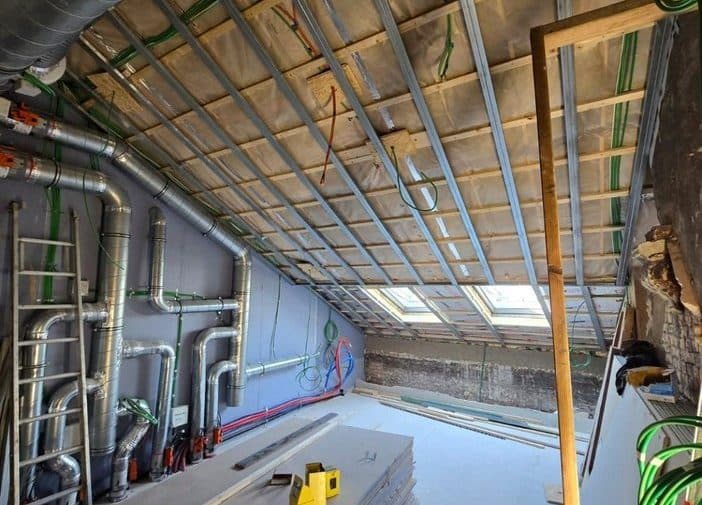
Regie fits work where nobody can honestly say yet how big the job is. That is common in renovation, where opening a wall or a ceiling shows what is behind it. It also fits urgent interventions, where starting today matters more than having a finished quote.
Regie is also how team reinforcement works. If you need extra hands for your own crew, you are buying skilled hours under your own supervision, and a fixed price makes little sense.
The risk of regie is a job that drifts without anyone noticing. That is why the reporting rules in a later section matter more than the rate itself.
- Unclear or changing scope
- Renovation with unknown conditions behind finishes
- Urgent interventions and repairs
- Extra people added to your own team
When a lump sum is the right choice
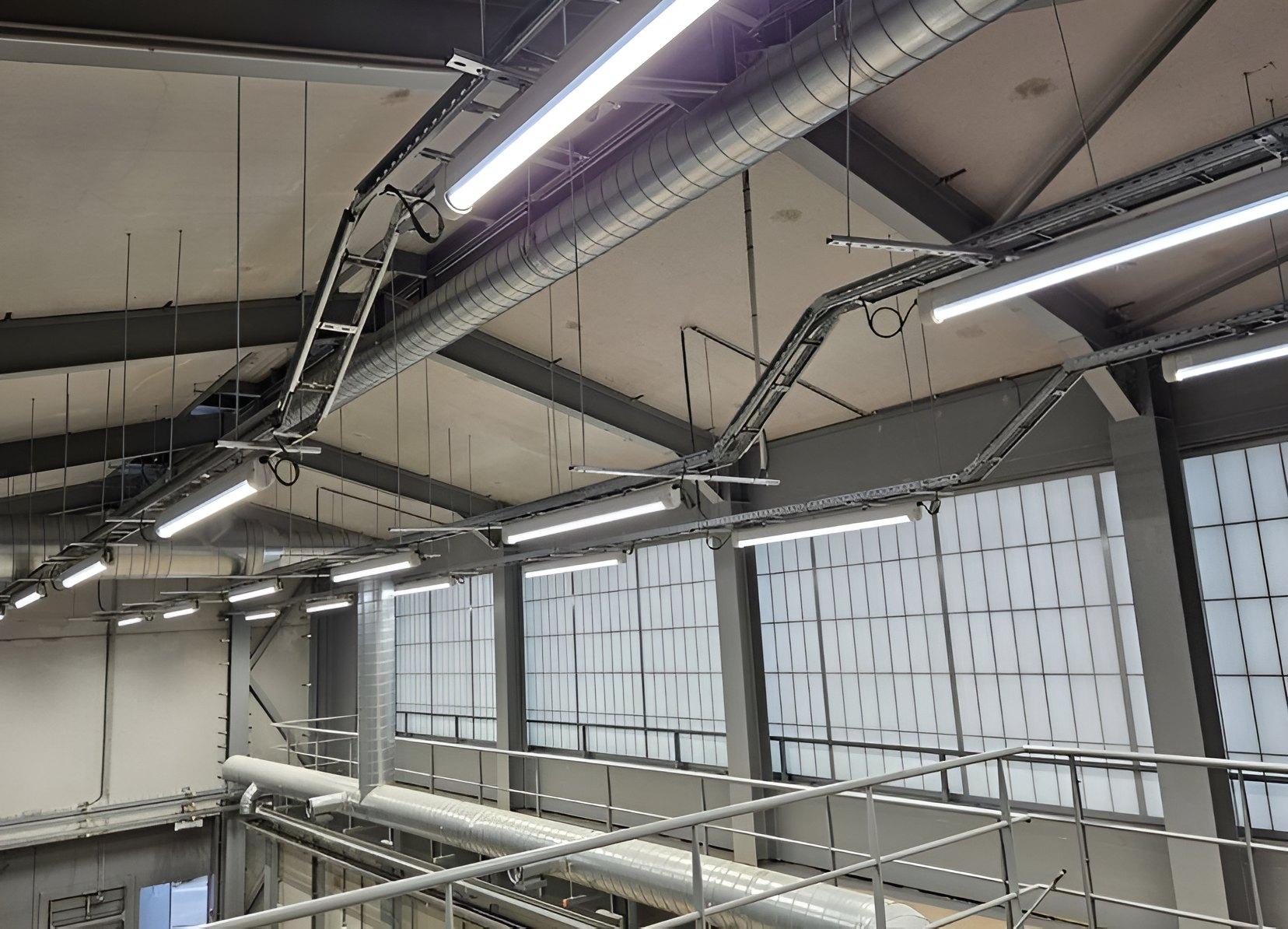
A lump sum fits a package that can be described completely: drawings, quantities, specifications and a clear start and finish. New installations in an open shell, a defined set of circuits, or a ductwork package from a finished design are typical examples.
You know the price before the work starts, which helps with budgets and approvals. The trade-off is that the scope must be fixed, because everything outside it is priced separately.
Before asking for a lump sum, check that the drawings match the building as it is. A fixed price for the wrong drawing is not a fixed price for the real job.
How changes are handled
On a lump sum, any change to the scope should be written down and priced before it is carried out. That can be a short email with the extra work, the price and the effect on the programme. Verbal agreements on site are the usual source of later disputes.
On regie, a change simply shows up in the hours and materials. The protection for the client is not a fixed price, but visibility and a budget limit.
Agree who may order a change. On many sites, only one named person on the client side can approve extra work. Instructions given in passing to a technician should not count, for either party.
What to ask for in a regie job
Regie is fair when it is transparent. Before the work starts, agree on how it will be reported and who approves it. Without this, you only find out what the job cost when the invoice arrives.
Ask for the timesheets to be shared daily or weekly, not at the end of the month. Small questions are easy to settle while the work is fresh.
- A rate list for each type of worker and for any equipment
- Daily timesheets, signed by your site representative
- A material list with quantities, not only a total
- A budget estimate or a cap, with a check when it is approached
- Invoices that show hours, materials and rates line by line
What a lump sum quote needs to be reliable
A fixed price is only as good as the information behind it. The contractor needs plans, quantities, the specification, access conditions and the programme. Without them, the price either contains a large safety margin or leaves room for extras later.
Ask what the quote excludes. A good quote states its scope limits clearly: what is included, what is not, and which assumptions about the site it relies on.
Check also the time frame. A lump sum is tied to a programme, and a long delay caused by others can reopen the price. Write down the conditions under which that happens.
Combining both, and how we work
Many projects are best split. Price the defined part as a lump sum, for example the new distribution boards or a ductwork package. Run the unknowns in regie, for example opening up an old building, with a budget check.
I.G. Solutions offers both, and agrees the basis with you before the work starts. Our invoices show hours, materials and rates line by line. If you are unsure which model fits, send us the plans or a short brief and we will say what we would choose and why.
Frequently asked questions
Is regie always more expensive than a lump sum?
Not necessarily. Regie costs what the work needs, no more. A lump sum includes the contractor's allowance for risk, which may be higher or lower than the real cost. The better question is which model suits how well the scope is defined.
Can I set a maximum on a regie job?
Yes. Agree a budget estimate or a cap before work starts, and ask the contractor to warn you when the hours approach it. Together with signed daily timesheets, this keeps a regie job under control.
What happens if the scope changes on a lump sum job?
The extra or removed work is priced separately, ideally in writing before it is carried out. The agreed lump sum stays in place for the original scope. Clear scope limits and exclusions in the quote make this much easier.